The Other Side of Restraint and Seclusion
In first grade I was restrained and secluded some number of times. I thought the older stern classroom aide was going to kill me, and the young kind classroom teacher approved of it. I thought I deserved it too—it’s what any 6-year-old would deduce in the same situation. In second grade I didn’t remember first grade. I felt like crying all the time and didn’t know why.
These autistic kids can’t control their bodies. They can’t. It’s an ongoing accident because it’s the dyspraxia. I managed to find the right oscillation between inhibition, control, and disinhibition to make it through, and I am so lucky for that. The time in my life when I was most in fear of whatever my body would end up doing was also the time I was restrained and secluded because of it. It’s a vicious feedback loop—a gestalt ingrained through the worst of ways.
Kids don’t know the term “restraint and seclusion” exists. They don’t know it is extremely controversial. All kids know is that one moment they exist and full body emote, and another moment this good person adult is scaring and hurting them and maybe worse. It is so fast and so confusing.
It happens in front of everybody in class. That’s the most painful part—the deep and lingering loneliness that comes with the knowledge that everybody was looking at you. A public physical separation like this sets the stage for a devastating mental mapping of self-identity and social identity. It doesn’t help that autistic kids are more likely to process themselves in relation to others in a visuospatial way.
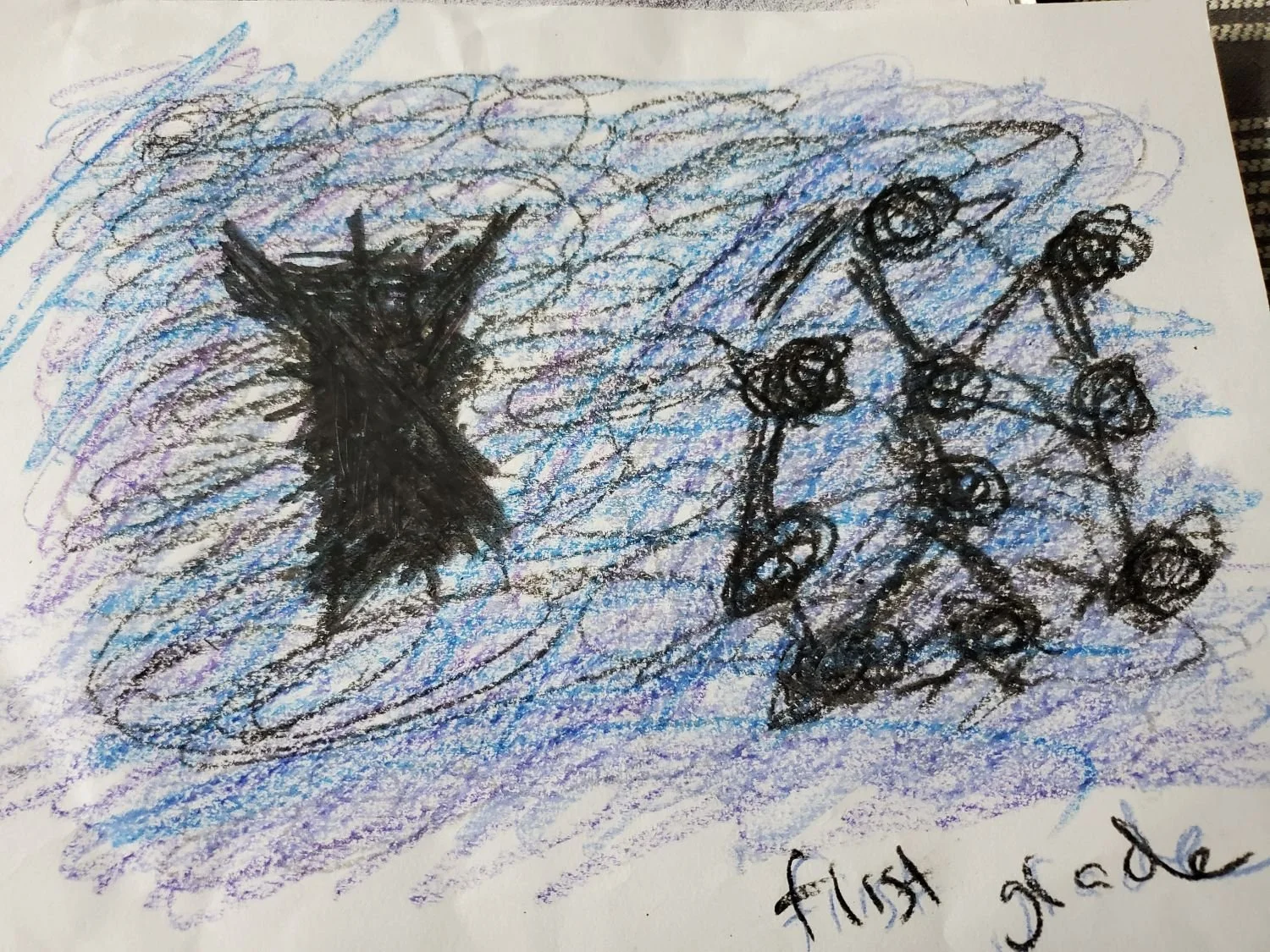
So, the other side of restraint and seclusion?
The social isolation.